
What is the correct time to cultivate chili?
Share
The best time to cultivate chili depends on a few things:
- The type of chili you want to grow. Some varieties of chili take longer to mature than others. For example, the habanero pepper can take up to 120 days to mature, while the jalapeño pepper can mature in as little as 70 days.
- The climate in your area. Chili plants need warm weather to grow. If you live in a cold climate, you will need to grow your chili plants indoors or in a greenhouse.
- The market demand for chili. There is typically a higher demand for chili during the winter months, when people are more likely to be making soups and stews.
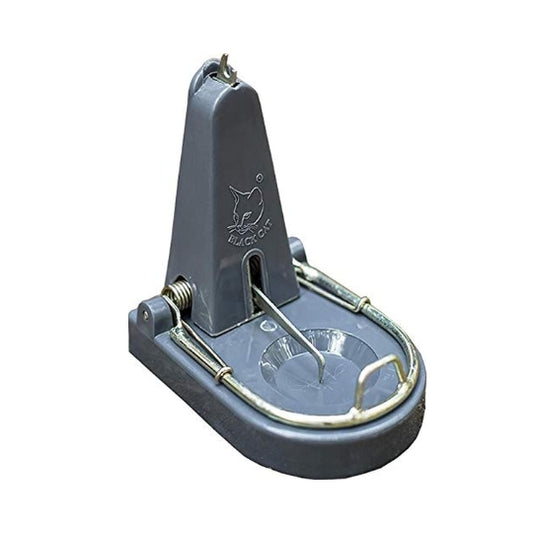
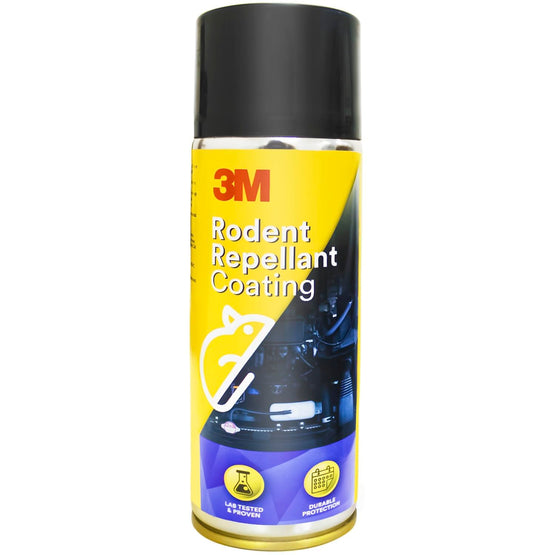
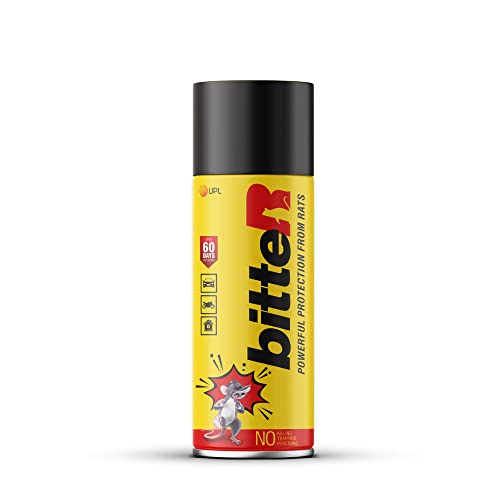
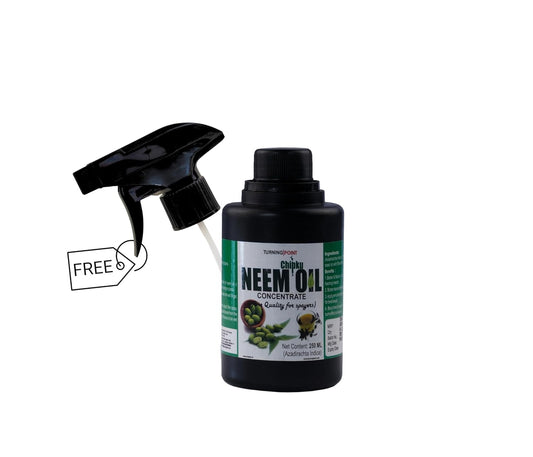
- Your own irrigation and crop protection arrangements. Chili plants need regular watering, especially during the hot summer months. You will also need to protect your chili plants from pests and diseases.
Here is a general guide to the best time to cultivate chili in India:
- Kharif season (June to September): This is the rainy season in India, and it is a good time to plant chili varieties that are resistant to heavy rainfall. Some popular Kharif chili varieties include Byadagi, Gundu, and Guntur.
- Rabi season (October to March): This is the winter season in India, and it is a good time to plant chili varieties that require cooler weather. Some popular Rabi chili varieties include Kashmiri, Thanjavur, and Mundu.
Tips for growing chili in India:
- Choose a sunny spot to plant your chili plants.
- Prepare the soil by adding compost or manure.
- Water your chili plants regularly, especially during the hot summer months.
- Fertilize your chili plants every few weeks with a balanced fertilizer.
- Protect your chili plants from pests and diseases.
Harvesting chili:
Chili peppers are typically ready to harvest when they are fully ripe. This can take anywhere from 70 to 120 days, depending on the variety. Chili peppers can be harvested fresh or dried.
Marketing chili:
There are many ways to market chili. You can sell fresh chili peppers at your local market, to restaurants, or to food processors. You can also dry and grind your chili peppers into chili powder or chili flakes.